

Bodies Remember What Minds Forget
Find your physical release
Bodywork recognizes that our bodies are inherently connected to our emotional and experiential world. This modality is founded on the understanding that the body can carry the weight of deep emotions, past trauma, or unresolved experiences, often manifesting as physical tension, restriction, or chronic pain. Because the body doesn't speak English, bodywork teaches you to listen differently to your body's non-verbal communication system. Through gentle, intentional techniques like hands-on myofascial release, breathwork, and educational movement, bodywork creates a safe space to address and release these physical manifestations of stress and trauma.
Modalities
Myofascial Release
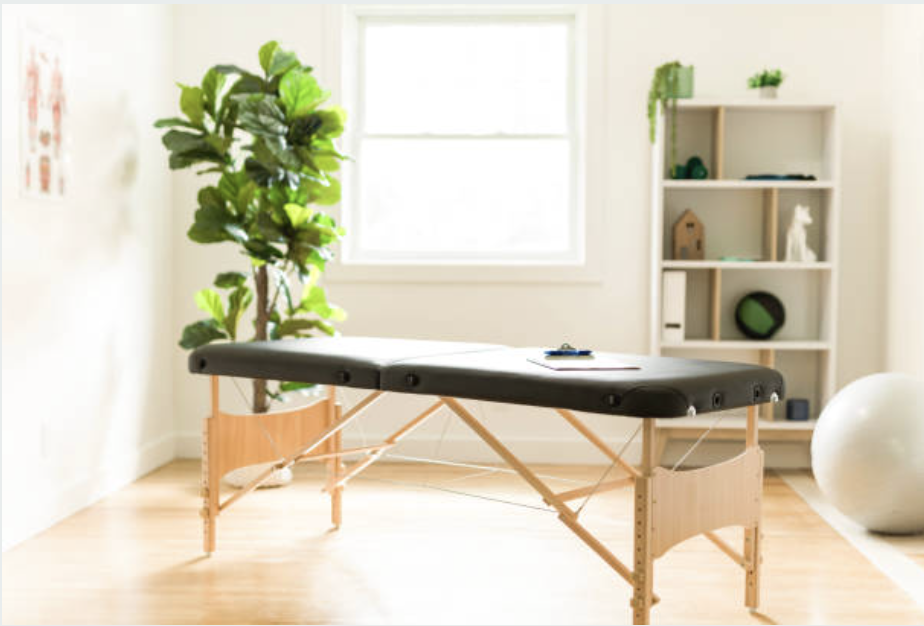
Physical tension is often the body’s way of storing stories that have yet to be told. Myofascial Release is a gentle, hands-on technique that applies sustained pressure into the connective tissue—the fascia—to eliminate pain and restore motion. Because fascia is a system-wide web that holds onto the physical impact of stress and trauma, releasing these restrictions does more than just soothe a muscle; it creates the physical space necessary for emotional processing. By softening the "armor" your body has built over time, you can begin to let go of stored tension, allowing your nervous system to return to a state of calm and your body to feel like a safe place to inhabit once again.

Breathwork
Your breath is a powerful tool that can support you in slowing down and settling, or in feeling more awake, energized, and alive. In a breathwork session, we use techniques like brief breath patterns and continuous, circular breath is the primary tool to shift your energy and mental state.
By bypassing the analytical mind, breathwork draws your focus fully into the physical present until the breath begins to feel effortless. As oxygen circulates to clear out old, stuck tension, it normalizes and releases stored emotions—from anxiety to joy—returning your system to a vibrant, balanced state.

Educational Movement
Our bodies can easily move through life on autopilot. Educational Movement uses simple, intentional movement to bring awareness back to the body and nervous system. Small movement drills, large sweeping movements, and varied yoga positions invite you to notice how you move, where you are in space, your posture, balance, and strength. By introducing focused or unfamiliar movements, we can direct attention to areas of the body that may have become disconnected or overlooked, creating new sensory experiences and neural connections. As the body becomes more integrated and grounded, it can begin to feel safer in its environment. That sense of safety creates space to soften, become more present, and feel more open to connection—with yourself, your surroundings, and others.